 English
 Türkçe
 French

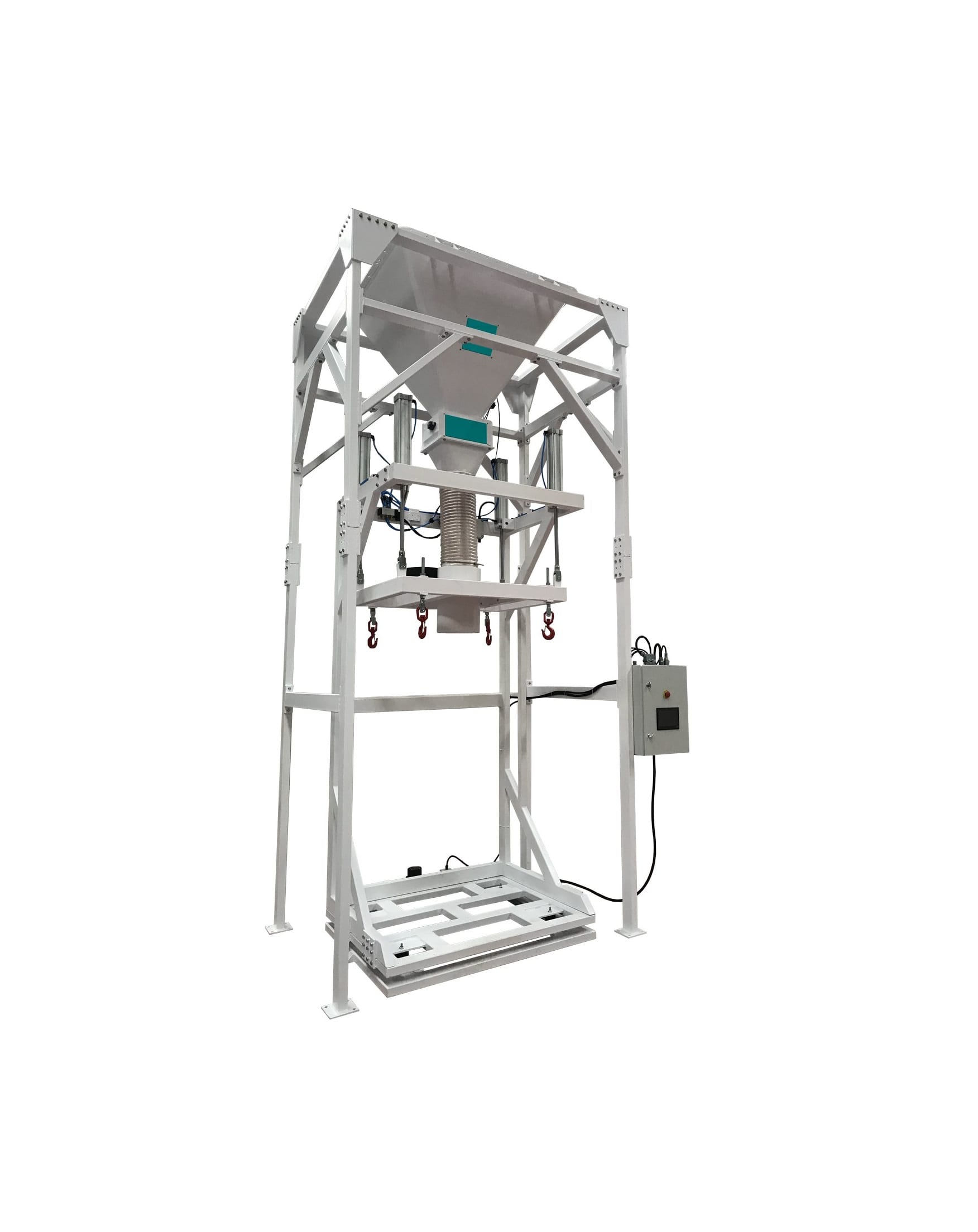
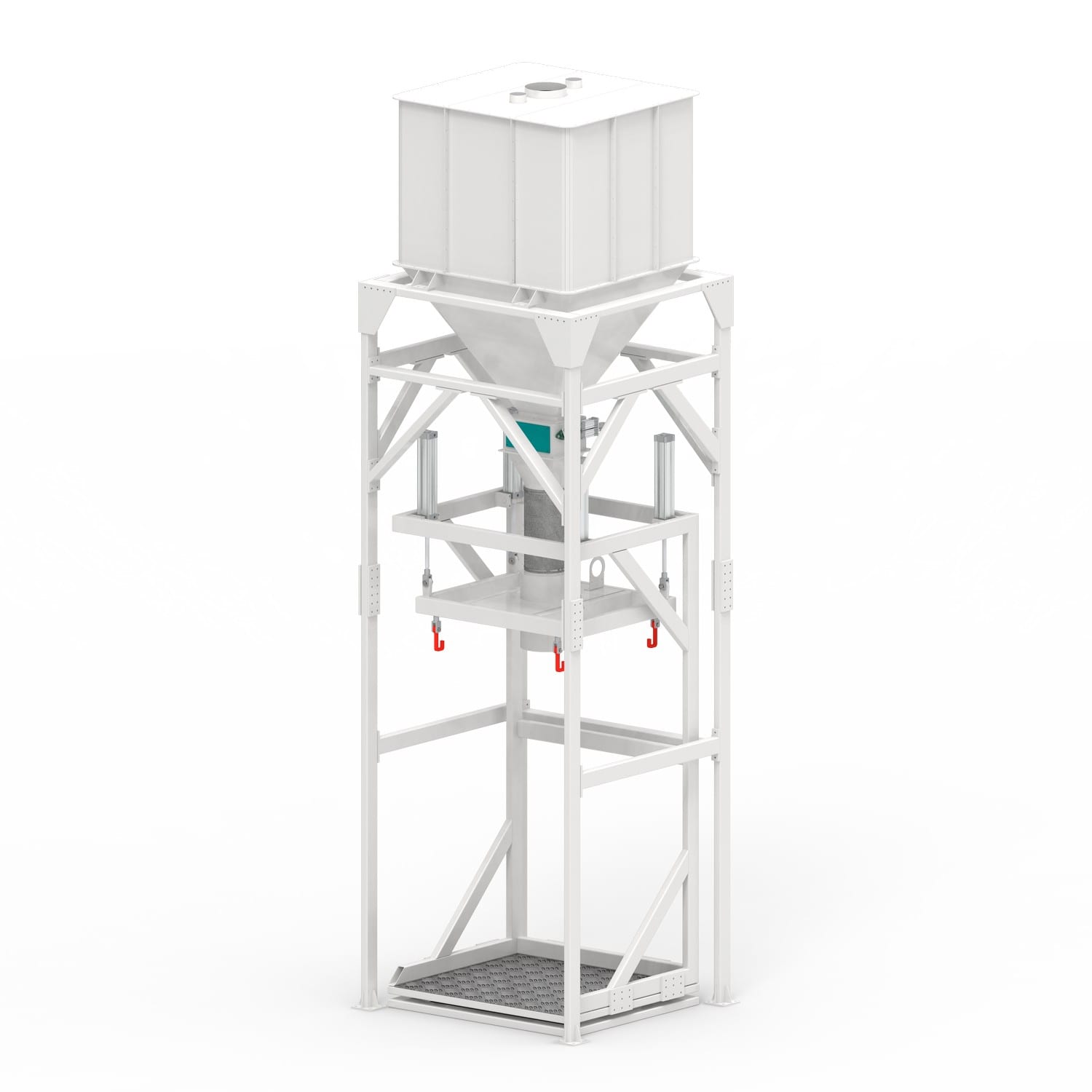
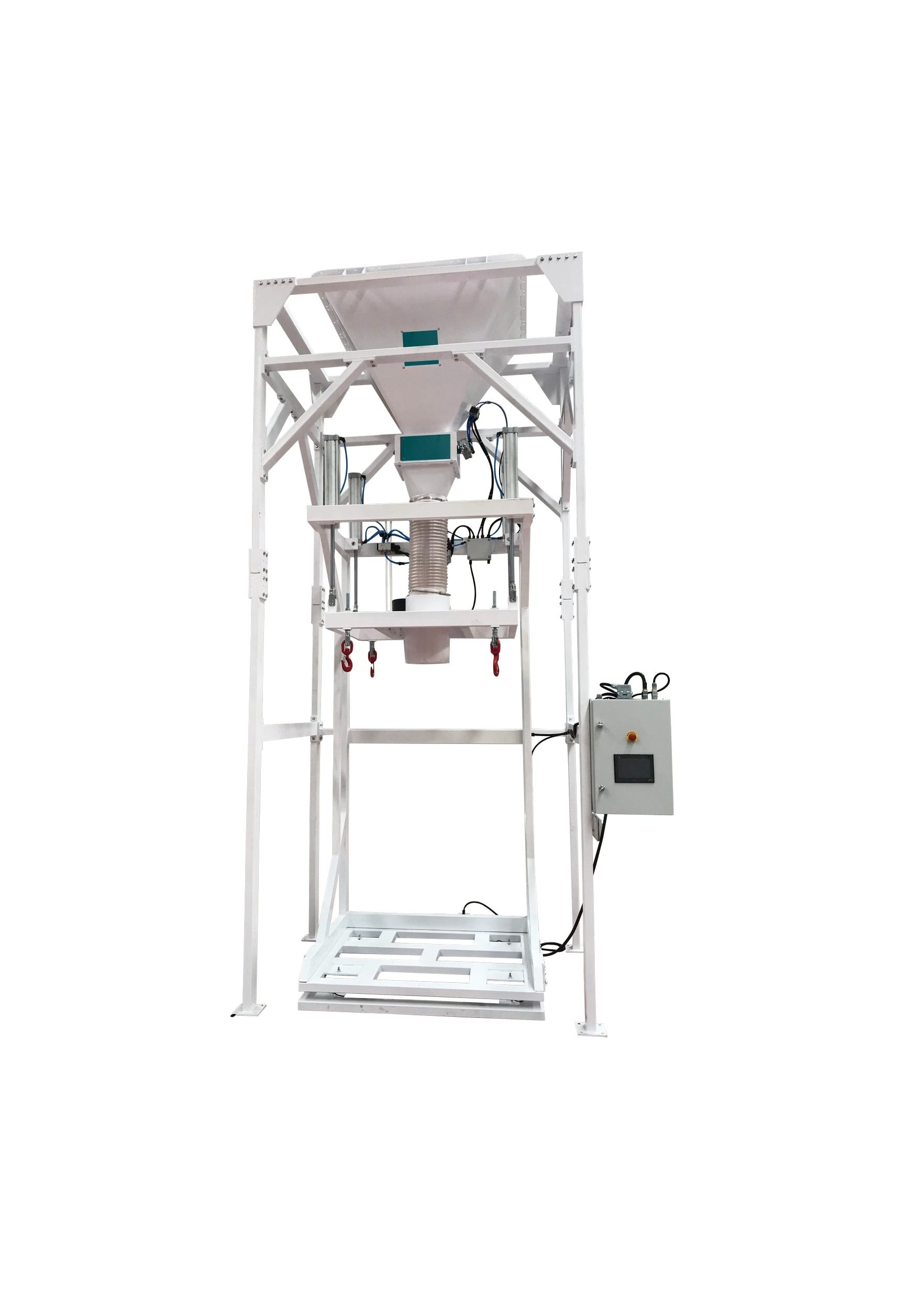
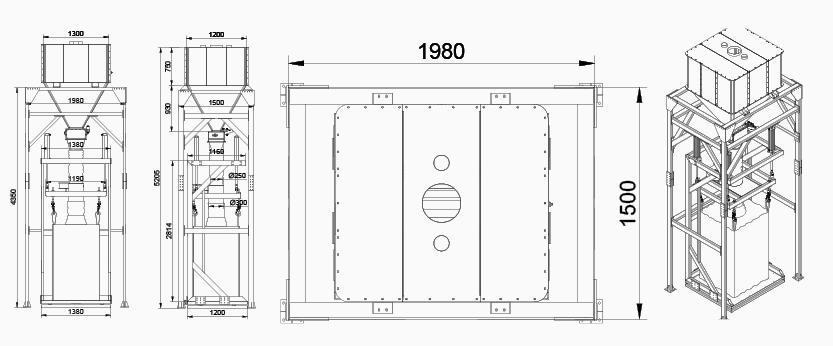
Description
| Product Code | BS.BBF |
| Weighing Range | 0-2000 Kg |
| Weighing Accuracy | ± % 0.2 |
| Bag Type | FIBC |
| Weighing Capacity | 1000 Kg – 40 Bags/Hour |
| Air Pressure | 5-6 Bar |
| Air Consumption | 1 Liter/Minute |
| Power Supply | 3 Ph, 380 VAC /50-60 Hz |
| Total Power | – |
| Feeding Type | – |
| Product Code | – |
| Weighing Range | – |
| Weighing Accuracy | – |
| Bag Type | – |
| Weighing Capacity | – |
| Air Pressure | – |
| Air Consumption | – |
| Power Supply | – |
Big Bag Filling Machine Standard Features
• Product Code BS.BBF
Weighing Range 0-1000 Kg
• Product Code BS.BBF
• Weighing Range 1000-2000 Kg
• Weighing Accuracy ± % 0,5
• Weighing Capacity 1000 Kg – 40 Bags/Hour
• Bag Type FIBC
• Air Pressure 6-8 Bar
• Air Consumption 1 litre/minute
• Power Supply 3 Ph, 380 VAC /50-60 Hz
1000 Kg – 40 Paket/Saat
Bag Type FIBC
Weighing Accuracy ± % 0,5
• Air Pressure 6-8 Bar
• Air Consumption 1 litre/dk
Power Supply 3 Ph, 380 VAC /50-60 Hz
• Electronic filling control system supported with 24 bit ADC.
• Equipped with Class III type stainless steel loadcells.
• Dry type pneumatic conditioners, pistons, valves and fittings.
• PLC controlled power and command control system cubicles.
• Equipped with touch screen user interface system
• Easy adjustable set value entry by operator.
• Programmable bag amount set.
• Easy weight calibration and multy recipe application according to product type.
• All surfaces are trated and coated by powder die in accordance to food codex.
• 1000 lt capacity, fill end discharge level controlled material entry stock bin.
• Height adjustable chassis foots
• Modular and easy installable scale body and scale chassis.
• Aestetic, low maintenance required, stabile running
A Big Bag Filling Machine, also known as a bulk bag filler or super sack filler, is a type of industrial equipment designed to efficiently fill large bags with bulk materials. These machines are commonly used in industries such as agriculture, chemicals, food processing, mining, and construction to handle and transport materials in bulk quantities.
Here are some key features and components typically associated with Big Bag Filling Machines:
- Frame and Structure:
- The machine is built on a sturdy frame to provide support and stability during the filling process.
- Weighing System:
- Many Big Bag Fillers come equipped with a weighing system to ensure accurate measurement and control of the quantity of material being filled into each bag.
- Bag Support and Suspension:
- The machine has a mechanism to support and suspend the big bag during filling. This may include hooks, straps, or other suspension devices.
- Inlet and Outlet:
- There are openings for the material to enter the bag and exit once it’s filled. These openings are typically equipped with valves or spouts that can be controlled to regulate the flow.
- Filler Spout:
- A filler spout is used to direct the material into the bag. It may be adjustable to accommodate different bag sizes.
- Dust Collection System:
- Many machines include a dust collection system to minimize dust emissions during the filling process, ensuring a safer working environment.
- Control Panel:
- A control panel allows operators to set parameters, monitor the filling process, and control various functions of the machine.
- Safety Features:
- Safety features such as emergency stop buttons, safety interlocks, and overload protection are often integrated into the machine design to ensure safe operation.
- Automation and Integration:
- Some Big Bag Filling Machines are designed for automation and can be integrated into a larger production or processing line.
- Material Compatibility:
- The design of the machine is often adapted to handle specific types of materials, whether they are powders, granules, pellets, or other bulk forms.
- Mobility and Portability:
- Some machines are designed to be mobile or portable, allowing for flexibility in their use within different locations or facilities.
It’s important to choose a Big Bag Filling Machine that aligns with the specific needs and characteristics of the materials being handled, as well as the production requirements of the industry in which it will be used.


